 Pralarg Magazine Pralarg Magazine

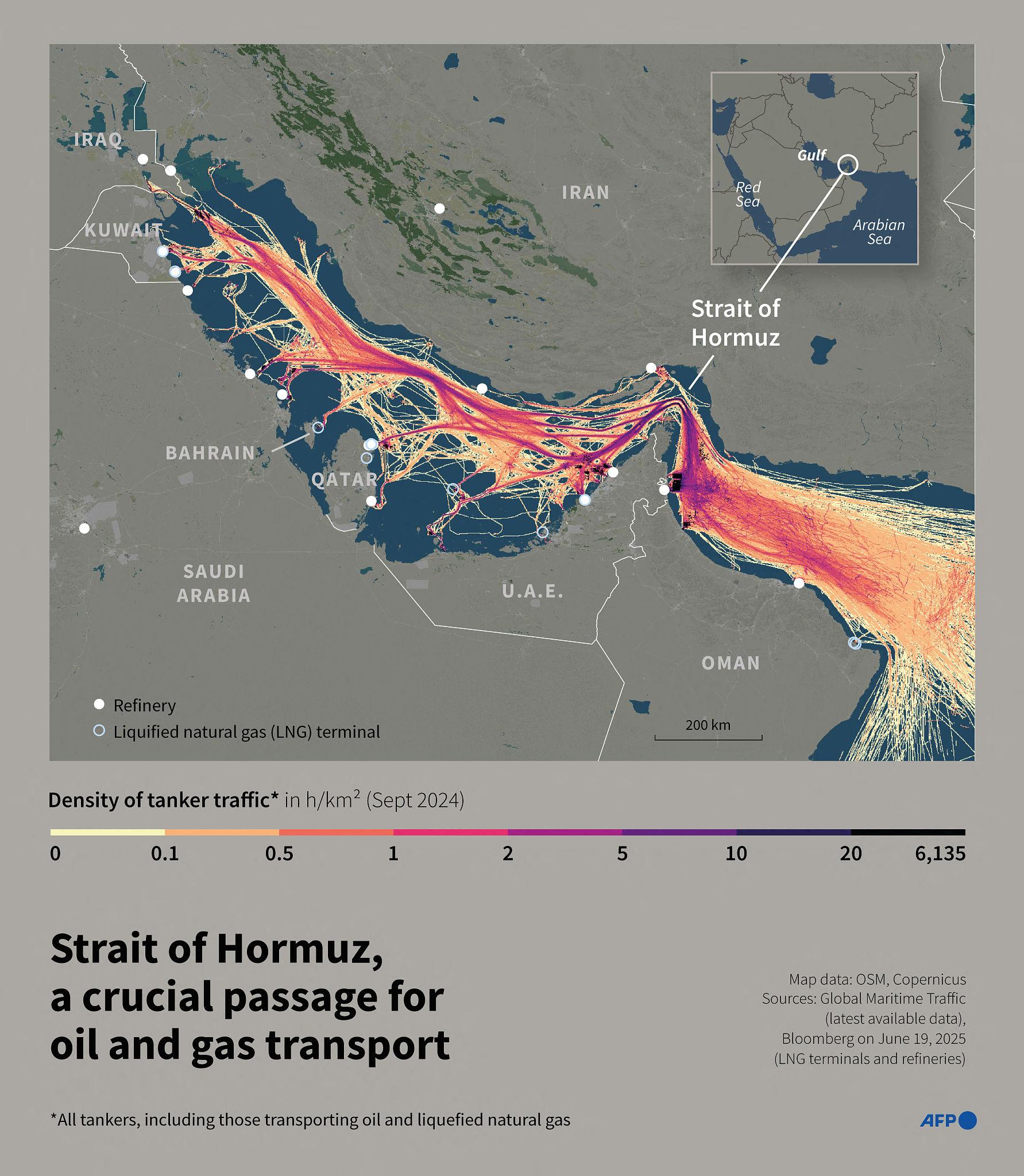
The strike marks a significant escalation in regional hostilities, with energy markets reacting immediately to the growing risk of supply disruption. President Donald Trump warned that the United States could respond with strikes on Iranian energy infrastructure if further attacks occur, signalling a potential widening of the conflict beyond its current scope. Critical Energy Infrastructure Targeted The affected site, located in Ras Laffan, is central to Qatar’s global LNG exports, supplying major markets across Europe and Asia. The facility plays a pivotal role in stabilising global gas prices, particularly amid ongoing geopolitical tensions affecting energy supply chains. Industry analysts warn that even partial disruption at Ras Laffan could have far-reaching consequences, given its status as the largest LNG processing and export hub in the world. “This is not just a regional issue—it is a global energy concern,” one energy market analyst said, noting that prolonged disruption could tighten supply and increase dependency on alternative, often more expensive, sources. Global Markets React Following the attack, global oil prices surged by approximately 10%, reflecting fears of a broader disruption to Gulf energy exports. Liquefied natural gas markets also showed signs of volatility, with traders pricing in the risk of reduced supply and further escalation. The Gulf region accounts for a significant share of global energy exports, and any sustained instability threatens both energy security and economic stability in importing nations. Escalation Raises Regional Tensions The attack represents the second consecutive day of strikes on Qatar-linked energy assets, signalling a shift from indirect confrontation to direct targeting of civilian infrastructure. Security experts warn that such actions significantly increase the likelihood of retaliatory measures, potentially drawing in regional and global powers. The prospect of U.S. involvement, following President Trump’s warning, adds another layer of uncertainty to an already volatile situation. There are also growing concerns about the safety of shipping routes in the Persian Gulf, a critical corridor for global energy transport, should the conflict intensify. A Dangerous Turning Point The direct targeting of energy infrastructure marks a critical turning point in the conflict, with analysts suggesting it could redefine engagement rules in the region. With tensions rising and diplomatic channels under strain, the situation remains fluid. Observers warn that further escalation could disrupt not only energy markets but also broader international trade and security frameworks.